Every Harley Engine & Its Known Problems
A complete, organized directory of Harley-Davidson engine families from 1903 to today. Browse common problems, known weak points, and year-by-year flaws for each engine.
Jump to engine
 Vintage
Single-Cylinder / Atmospheric
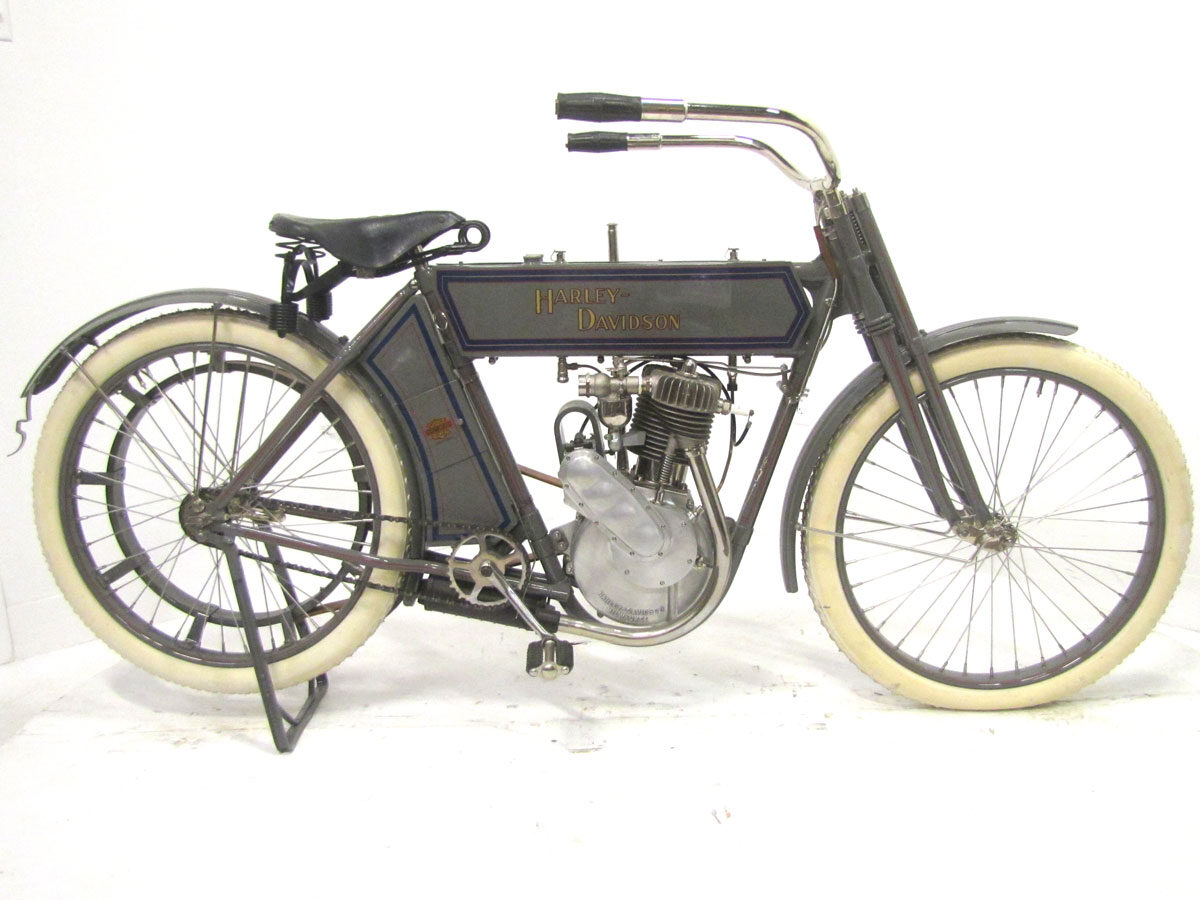
“The Originals”1903–1918
Harley-Davidson's founding engine: a 10 ci (167cc) single making roughly 3 hp in 1903, which grew into larger 35 ci singles. These pioneering motors used belt then chain drive and a total-loss oiling system, and they defined the brand before the V-twin arrived.
Valvetrain
Atmospheric intake / IOE single
Cooling
Air-cooled
Displacement
~10–35 ci singles
Era
1903–1918
Common Problems
Unreliable atmospheric (suction) intake valve
HighThe intake valve was opened by cylinder vacuum rather than a mechanical lifter. It became erratic at higher rpm, capping power and causing inconsistent running — the single biggest limitation of the earliest engines.
Total-loss oiling required manual attention
ModerateOil was fed once-through and dumped, so the rider had to hand-pump oil on the move. Under-oiling risked seizure; over-oiling fouled the plug and smoked heavily.
Leather belt final-drive slip
ModerateEarly leather belt drive slipped badly when wet or worn, leaving riders stranded on hills until chain drive and a clutch were adopted.
Year-by-Year Notes
 Vintage
F-Head V-Twin
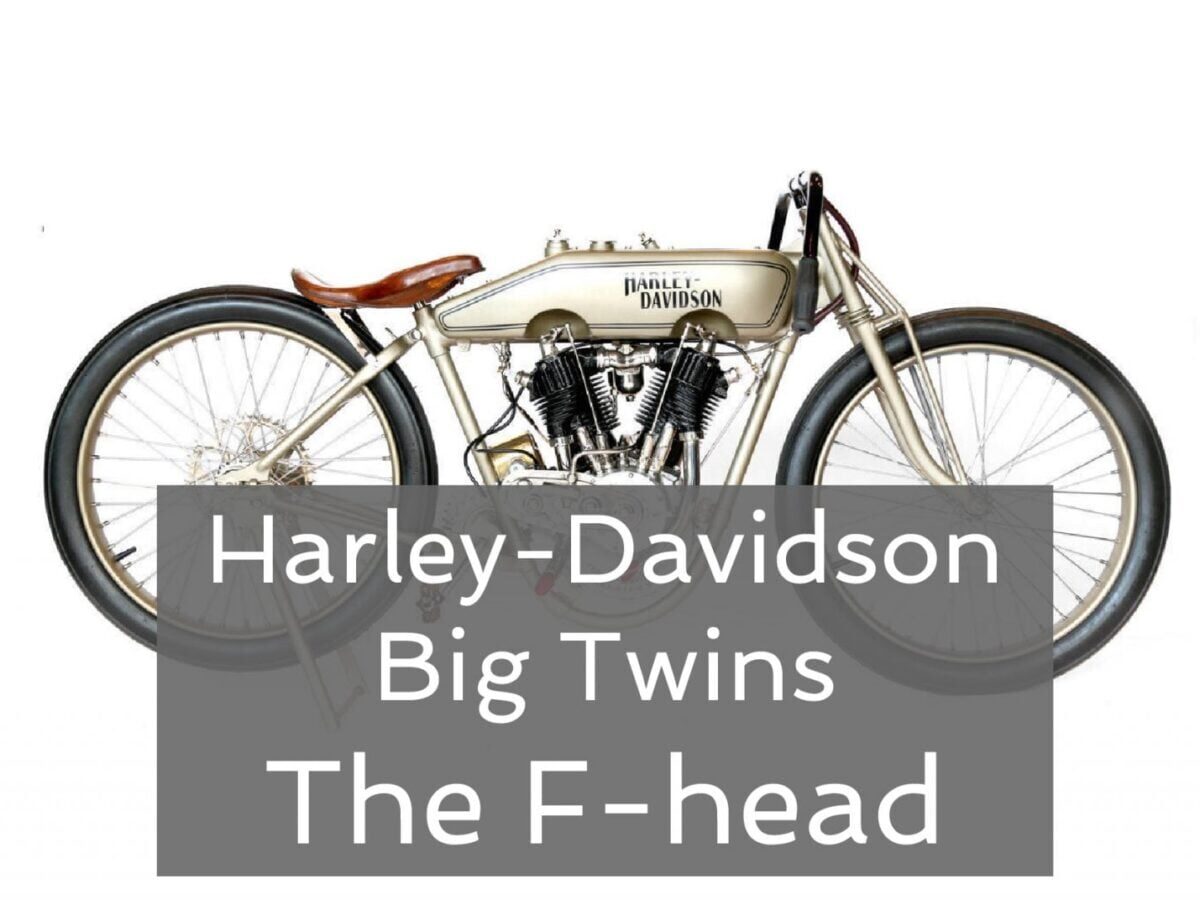
“IOE / Pocket Valve”1911–1929
The first successful Harley V-twin. A mechanically actuated intake valve fixed the 1909 atmospheric-valve fiasco, and the F-head established the 45-degree V-twin as the brand's signature layout in 61 and 74 ci sizes.
Valvetrain
IOE (Intake-Over-Exhaust) "F-head"
Cooling
Air-cooled
Displacement
61 ci (1000cc) & 74 ci (1200cc)
Era
1911–1929
Common Problems
Exposed valvetrain and total-loss oiling
HighValve gear was largely exposed to road grime and the engine still relied on total-loss oiling. Dirt ingress accelerated valve and guide wear, and oiling had to be managed by the rider.
Heat around the exhaust valve pocket
ModerateThe intake-over-exhaust layout concentrated heat at the exhaust valve pocket. Sustained hard running burned valve seats and could crack the pocket.
Clutch and driveline wear
ModerateEarly clutches and the developing multi-speed transmissions wore quickly and needed frequent adjustment as power outputs climbed.
Year-by-Year Notes
 Vintage
Flathead (Side-Valve)
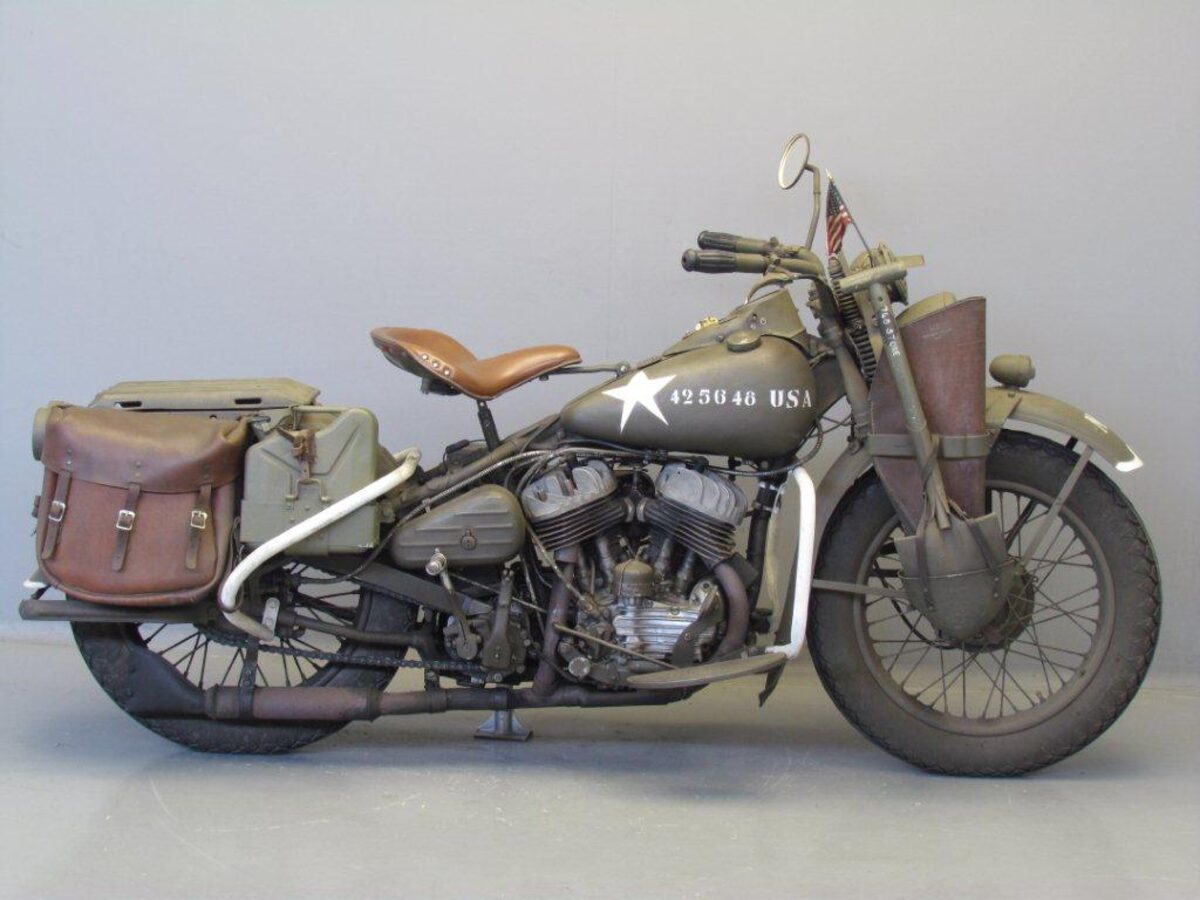
“Flatty”1929–1973
A simple, rugged side-valve engine prized for durability. It powered the WLA in WWII and, remarkably, soldiered on in the three-wheeled Servi-Car all the way to 1973 — one of the longest production runs of any Harley engine.
Valvetrain
Side-valve (L-head)
Cooling
Air-cooled
Displacement
45 ci (W/K/Servi-Car), 74 & 80 ci (U/UL/ULH)
Era
1929–1973
Common Problems
Inherent overheating and poor breathing
HighThe side-valve layout is thermodynamically inefficient. It runs hot, is prone to detonation under sustained load, and makes modest power for its displacement — the defining trade-off of the Flathead.
Valve seat and head cracking when run hard
ModerateProlonged high-load running overheats the valve area, burning seats and occasionally cracking heads, especially on the hotter 74/80 ci versions.
Oil leaks and early oiling weaknesses
ModerateEarly 45s had marginal oiling and gasket sealing. Recirculating oiling improved matters later, but weeping remained typical of the era.
Year-by-Year Notes
 Classic
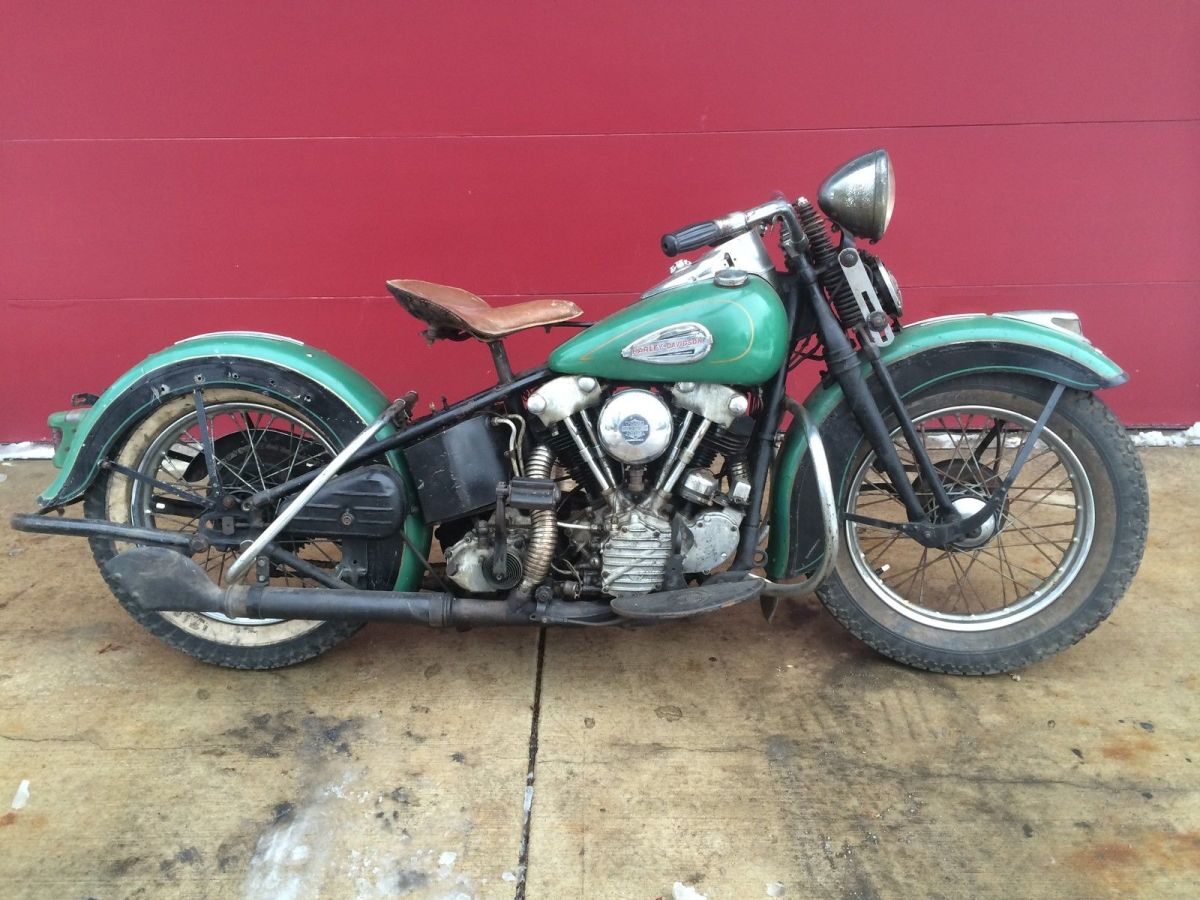
Knucklehead
“Knuck”1936–1947
Harley's first production overhead-valve Big Twin and a genuine landmark. The rocker covers resembling knuckles gave it its name, and it introduced a recirculating oil system — but the early years were famously troublesome.
Valvetrain
OHV (overhead valve)
Cooling
Air-cooled
Displacement
61 ci (E) & 74 ci (F, from 1941)
Era
1936–1947
Common Problems
Severe top-end oil leaks
HighThe first Knuckleheads (1936–37) leaked oil badly from the rocker and valve gear. Oil control at the top end was the engine's defining early weakness.
Fragile valve springs
HighEarly valve springs failed prematurely. Enclosed valve springs and revised valvetrain from 1938 largely cured the problem.
Insufficient rocker lubrication
ModerateEarly oil feed to the rockers was inadequate, accelerating wear until the oiling circuit was improved.
Year-by-Year Notes
 Classic
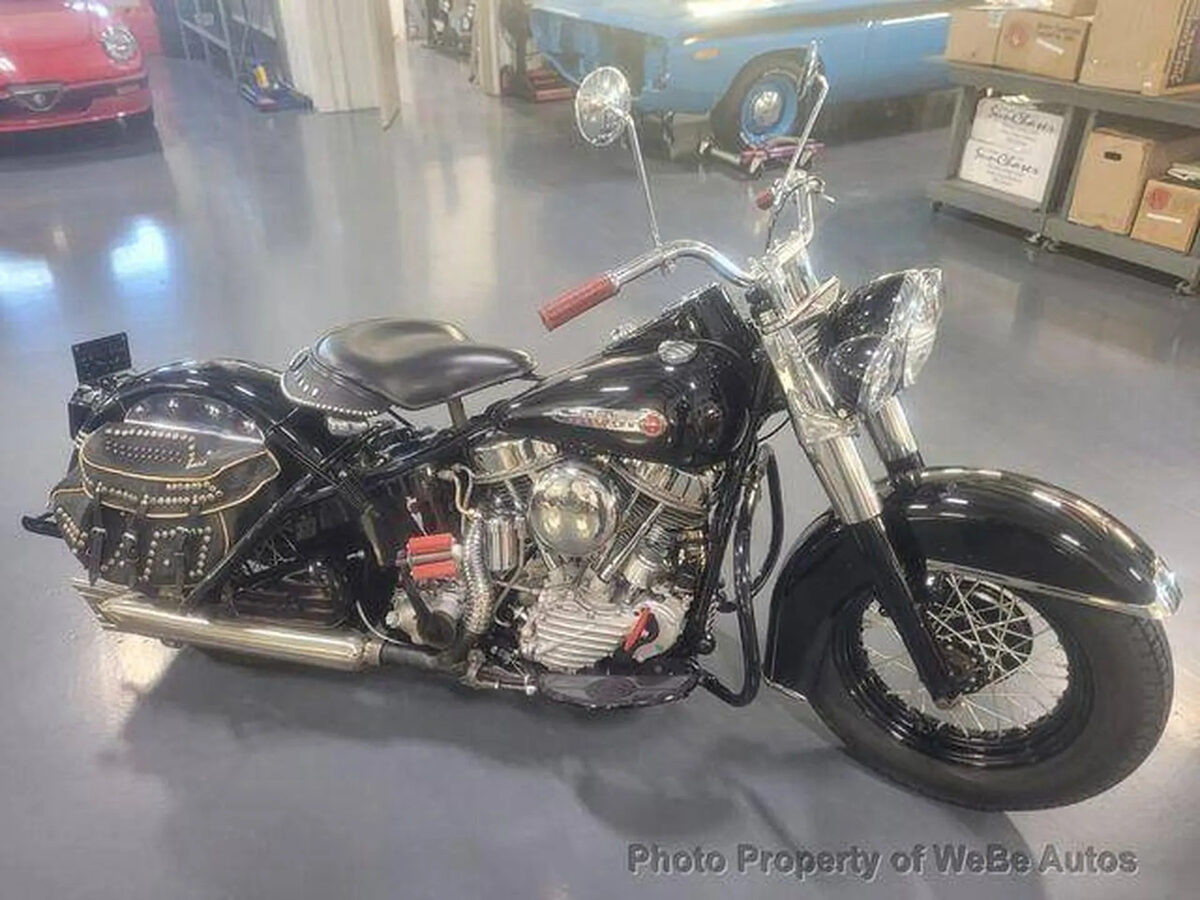
Panhead
1948–1965
The Panhead answered the Knucklehead's heat and oiling problems with aluminum cylinder heads and hydraulic valve lifters. Its pan-shaped rocker covers gave it its name, and it became the face of post-war Harley touring.
Valvetrain
OHV, aluminum heads, hydraulic lifters
Cooling
Air-cooled
Displacement
61 ci & 74 ci
Era
1948–1965
Common Problems
Early top-mounted hydraulic lifters
ModerateThe 1948–52 lifters sat at the top of the pushrods, bled down and got noisy. Relocating them to the lifter blocks in 1953 was a big reliability gain.
Aluminum head vs. iron cylinder expansion
ModerateThe aluminum heads expanded faster than the iron cylinders, increasing valve lash over temperature and raising oil consumption.
Persistent oil leaks
ModerateBetter than the Knucklehead, but gasket weeping remained a period reality, especially at the base and rocker joints.
Year-by-Year Notes
 Classic
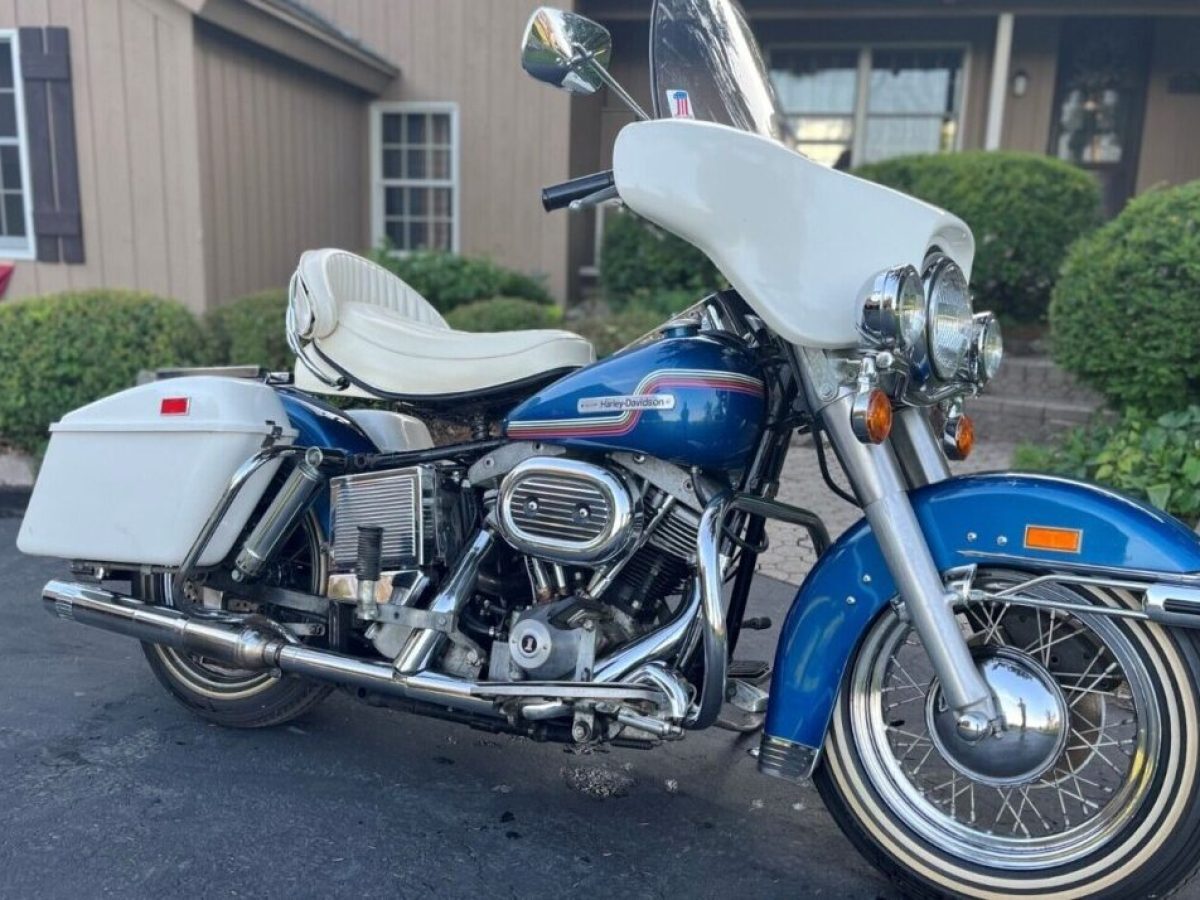
Shovelhead
“Shovel”1966–1984
A cult-classic Big Twin made to haul heavier machines. Much of its production fell in the AMF ownership era, and its reliability is famously tied to the owner's willingness to wrench.
Valvetrain
OHV
Cooling
Air-cooled
Displacement
74 ci, 80 ci (from 1978)
Era
1966–1984
Common Problems
The "Shovelhead drip" — chronic oil leaks
HighLeaks from head gaskets, valve covers and (on 1980s bikes) external oil return lines are so common they earned a nickname.
Overheating, especially 1970s AMF-era bikes
HighPoor air/fuel mixtures, late timing and low oil could push heads to blow gaskets and damage head bolts.
Vibration loosening fasteners
HighSolid frame mounting and loose tolerances mean intense vibration; bolts back out unless Loctited and re-checked.
AMF-era build quality and starting issues
HighQuality control dipped under AMF in the 1970s. Weak charging, ignition and solenoid/wiring faults make hard starting common.
Year-by-Year Notes
 Classic
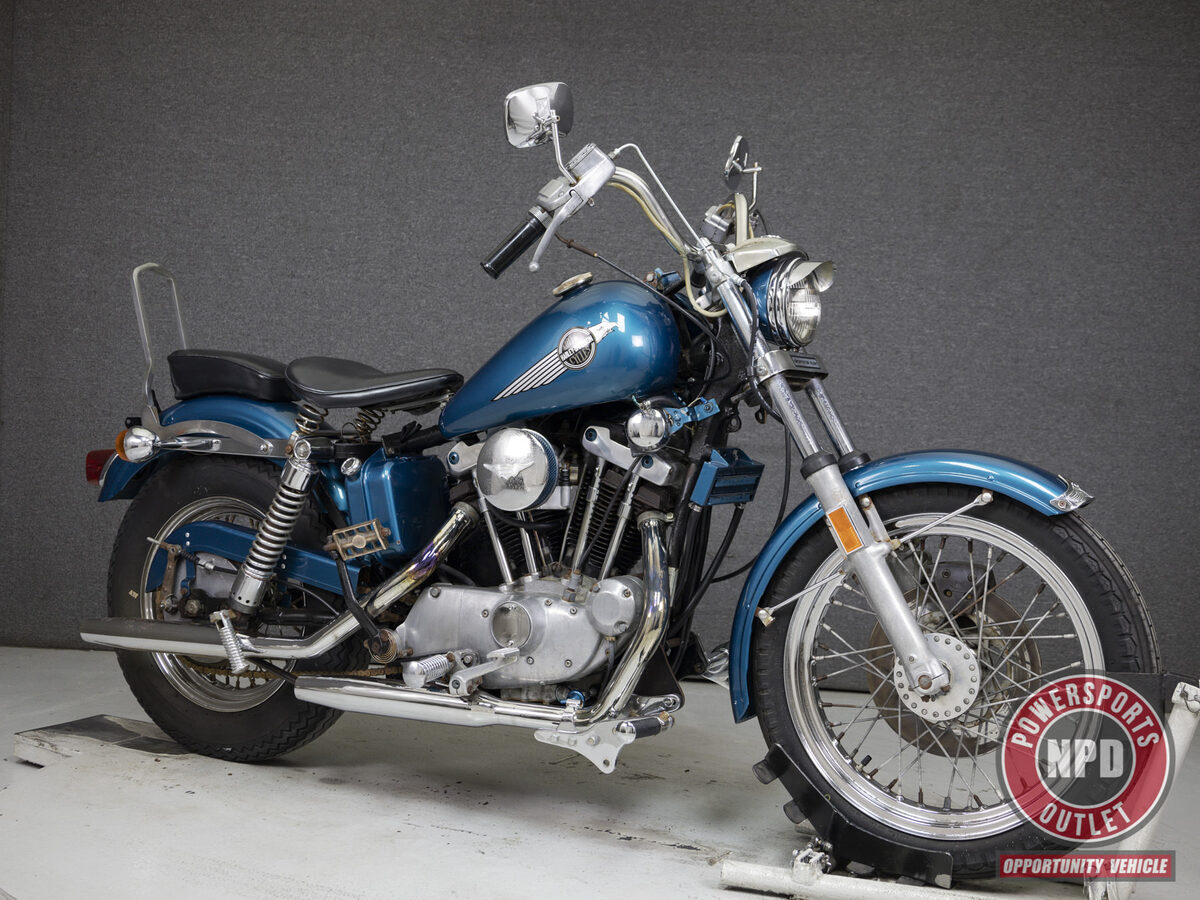
Ironhead Sportster
“Ironhead”1957–1985
The original Sportster engine, named for its cast-iron cylinder heads and barrels. It is loved for its raw, clattery character and unit-construction 45-degree V-twin — and known for leaks and vibration.
Valvetrain
OHV, cast-iron heads
Cooling
Air-cooled
Displacement
883cc (54 ci), 1000cc (61 ci) from 1972
Era
1957–1985
Common Problems
Persistent oil leaks
HighCast-iron top end and period gasket sealing make oil weeping a hallmark of the Ironhead.
Heavy vibration
HighThe rigidly mounted, unit-construction engine transmits strong vibration that fatigues fasteners and components over time.
Points ignition maintenance
ModerateEarly points-based ignition needs frequent adjustment to keep timing and starting consistent.
Cast-iron head overheating under sustained load
ModerateThe iron heads shed heat poorly under hard use — a limitation that famously drove the alloy-head XR-750 for racing.
Year-by-Year Notes
 Modern
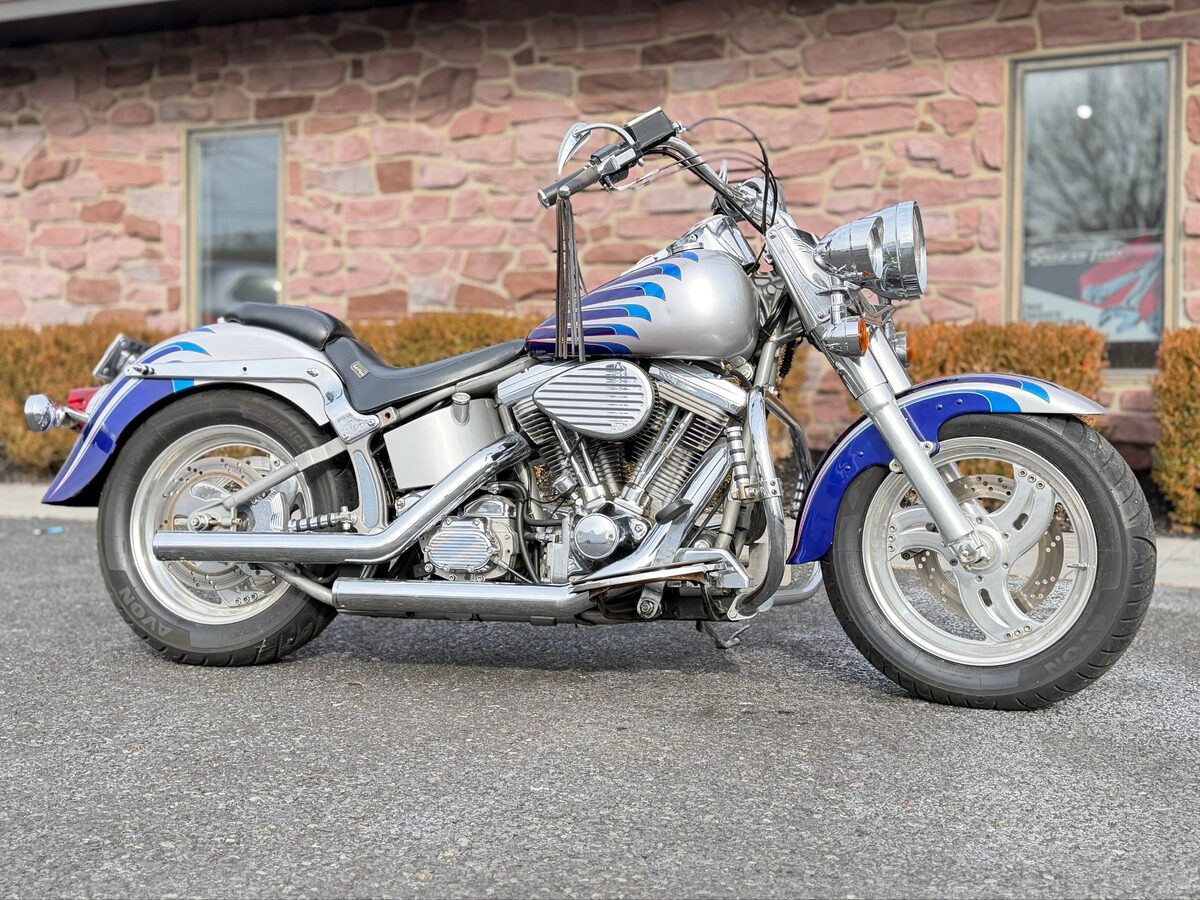
Evolution Big Twin
“Evo”1984–1999
Widely credited with saving the company. The all-aluminum Evolution ran cooler, sealed better and proved dramatically more reliable than the Shovelhead, restoring Harley's reputation for durability.
Valvetrain
OHV, aluminum top end
Cooling
Air-cooled
Displacement
80 ci (1340cc)
Era
1984–1999
Common Problems
Rocker box and base gasket oil leaks
ModerateThe multi-piece rocker boxes and base gaskets weep with age and heat cycles; modern silicone-bead gaskets are the common fix.
Charging system failures (stator / regulator)
ModerateRotor magnets can debond and destroy the stator windings; the voltage regulator also degrades with heat.
Ignition module heat-soak (carbureted bikes)
ModerateSome modules run fine cold, then cut out once the bike reaches operating temperature until they cool down.
Inner cam bearing wear
ModerateA known wear point; a failed inner cam bearing can damage the engine cases. Upgraded bearings are a common preventive measure during service.
Year-by-Year Notes
 Modern
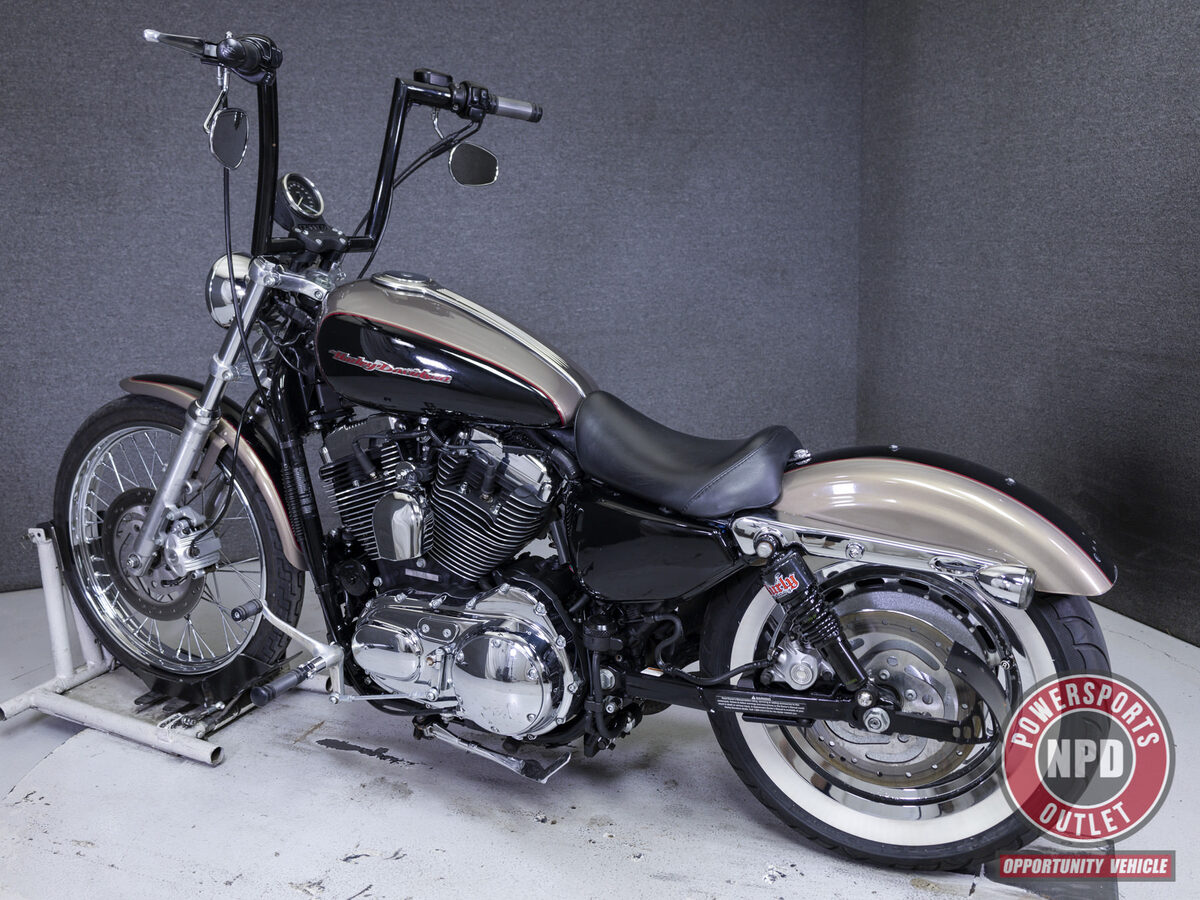
Evolution Sportster
“Evo Sporty”1986–2022
The Evolution redesign of the Sportster brought aluminum heads, electronic ignition and hydraulic lifters, drastically cutting leaks and maintenance versus the Ironhead. It ran an extraordinary 36 years.
Valvetrain
OHV, aluminum alloy top end
Cooling
Air-cooled
Displacement
883cc & 1100/1200cc
Era
1986–2022
Common Problems
Vibration on rigid-mount years (1986–2003)
ModerateBefore rubber mounting, the Sportster passed strong vibration to the rider and chassis; the 2004 rubber-mount redesign transformed comfort.
Clutch and 5-speed wear (2007–2009)
ModerateThese years are noted for premature clutch wear and transmission complaints.
Charging / stator wear
MinorStator and regulator wear appears with age and heat, as on most air-cooled Harleys.
Rear-cylinder heat
MinorCompact air-cooled packaging makes the rear cylinder run warm in slow traffic.
Year-by-Year Notes
 Modern
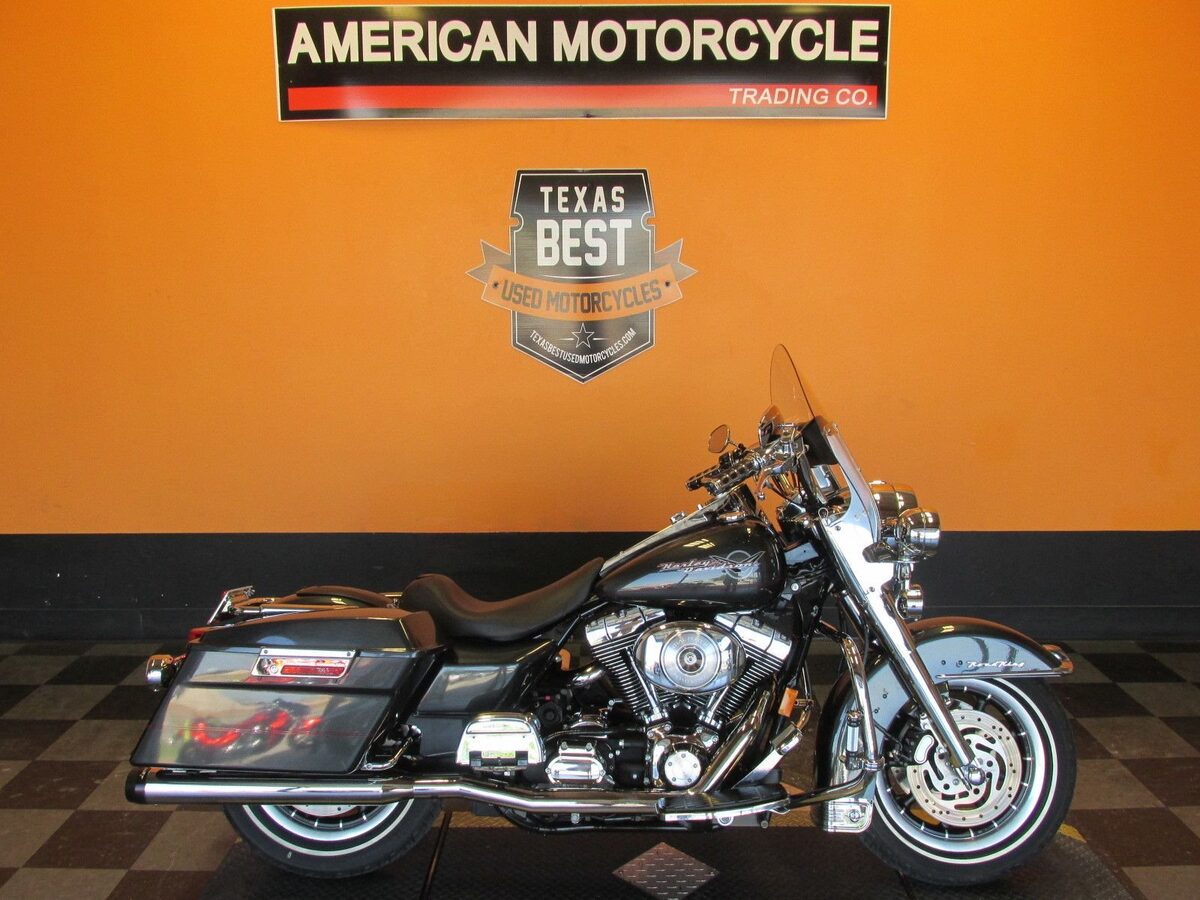
Twin Cam
“Fathead”1999–2017
The dual-camshaft Big Twin that replaced the Evo, growing from 88 to 110 ci over its life. Strong and tunable, but the early cam-chain tensioner design is the single most important thing to understand about this engine.
Valvetrain
OHV, dual camshafts
Cooling
Air-cooled (some Twin-Cooled 103 later)
Displacement
88, 88B, 96, 103, 110 ci
Era
1999–2017
Common Problems
Cam chain tensioner shoe wear (1999–2006)
CriticalSpring-loaded plastic tensioner shoes wear against the cam chains. If a shoe fragments, debris can enter the oil pump and cause catastrophic engine damage. Hydraulic tensioners (2006 Dyna, then the whole line in 2007) fixed this.
Compensator sprocket failure (2007–2010)
HighThe Twin Cam 96 and early 103 often suffered compensator failures — a "machine-gun" rattle or clunk on cold start — until an improved design phased in around 2011–2012.
Crankshaft runout (early 1999–2000)
ModerateSome earliest engines showed crankshaft runout, addressed by later production refinements.
Heat management (2009–2010 touring, 110)
ModerateLater touring bikes and the high-output 110 run hot, often needing EFI recalibration or added cooling.
Year-by-Year Notes
 Modern
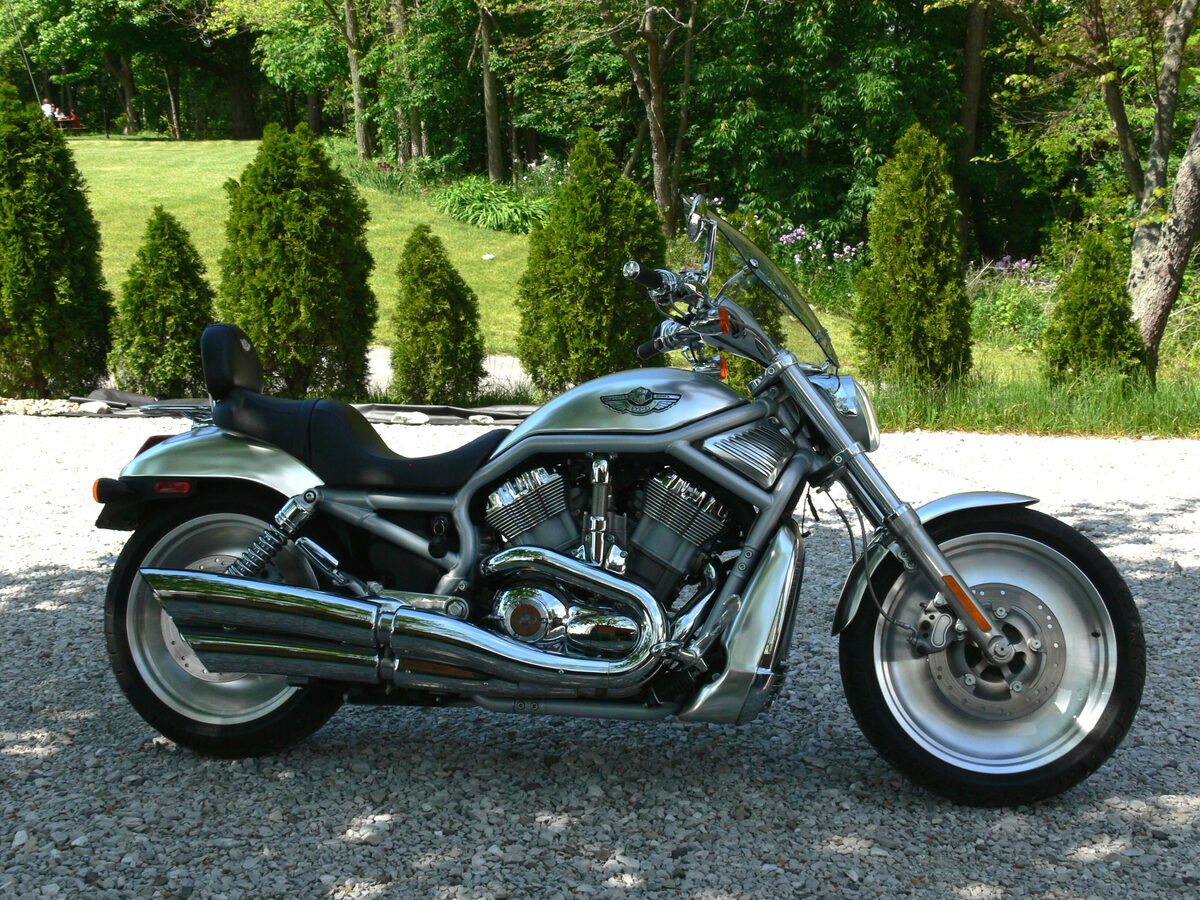
Revolution (V-Rod)
“V-Rod”2001–2017
A radical, Porsche-co-developed liquid-cooled performance engine for the V-Rod family. Strong and high-revving — many exceed 40–50k miles trouble-free — but it has specific driveline, electrical and service quirks.
Valvetrain
DOHC, 4 valves/cyl, 60° V-twin
Cooling
Liquid-cooled
Displacement
1130cc (69 ci), 1250cc (76 ci) from 2008
Era
2001–2017
Common Problems
Transmission is the weak point
HighA loud clunk into first, difficulty finding neutral and shifter-shaft spline wear are common. Poor clutch adjustment can cause throw-out bearing failure and, in the worst case, gearbox damage.
Shared fuse for cooling fan and speedometer
ModerateA design quirk: if that fuse blows you lose both the speedo and the cooling fan, which can overheat the engine in traffic before you notice.
Electrical / charging sensitivity
ModerateHigh starting current makes the bike sensitive to battery quality and connection integrity; faulty alternators or poor connections cause power loss.
Labor-intensive valve service
ModerateValve adjustment (roughly every 20k miles) often requires lowering the engine, so it is best left to specialists.
Parts scarcity since 2017
ModerateWith the model discontinued, some transmission and model-specific parts are increasingly hard to source.
Year-by-Year Notes
 Modern
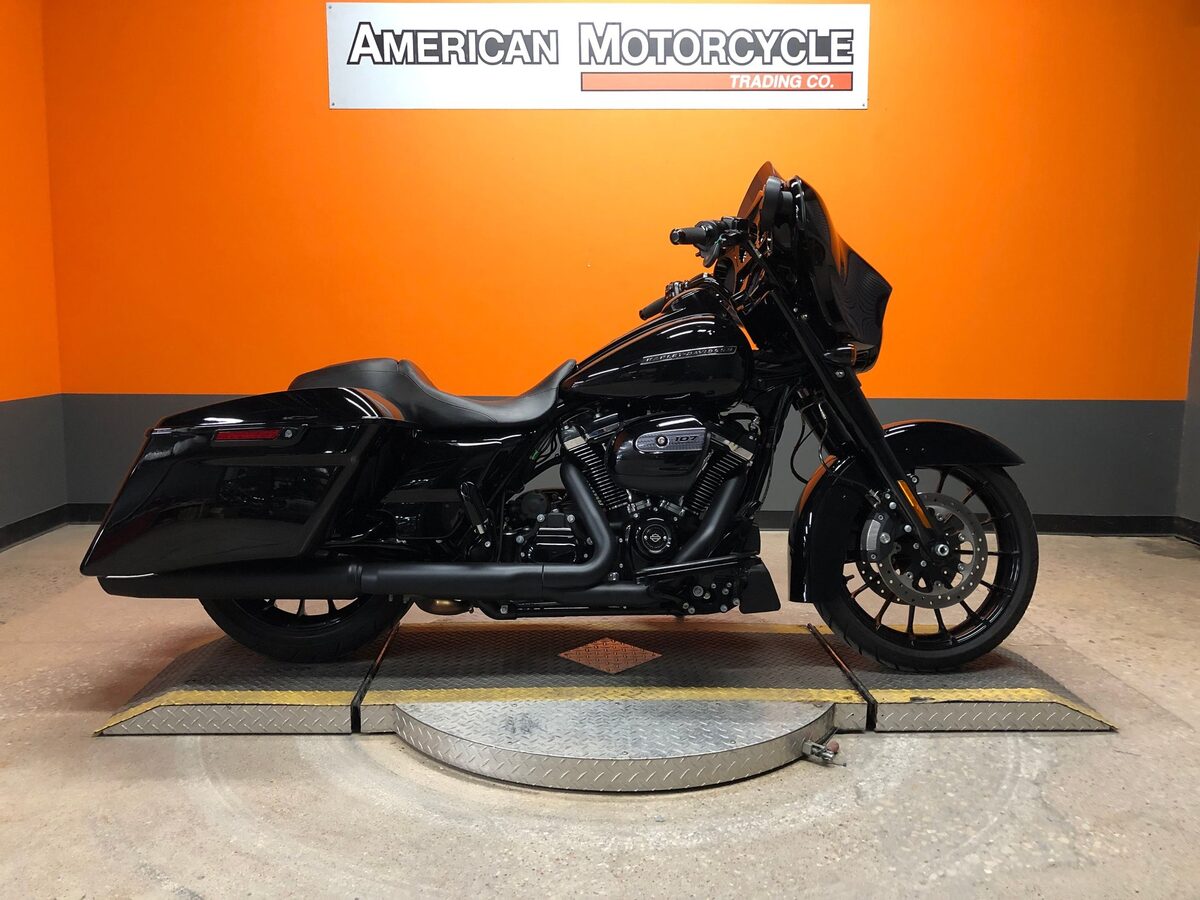
Milwaukee-Eight
“M8”2017–Present
The current Big Twin: four valves per cylinder, more torque and better thermal management than the Twin Cam. Very capable, but early production had a notable oiling issue worth knowing before buying used.
Valvetrain
OHV, 4 valves/cyl (8 total)
Cooling
Air / oil-cooled & Twin-Cooled
Displacement
107, 114, 117, 121 ci
Era
2017–Present
Common Problems
Oil sumping (2017–2019)
HighOil can pool in the crankcase instead of returning to the tank, causing startup smoke, oil from the right side, power loss and overheating. Traced largely to stock oil-pump scavenging; an upgraded pump (factory or aftermarket) is the fix.
Rear-cylinder heat in traffic
ModerateTouring bikes can put noticeable heat on the rider in slow traffic despite improved thermal design.
Transmission / gear-oil and shifting
ModerateLow gear-oil levels can cause notchy shifting and grinding; leaks call for seal or gasket inspection.
Lean factory fueling
MinorSome bikes run lean from the factory, causing throttle snatch or a warm idle; a tuner or fueling module smooths this out.
Year-by-Year Notes
 Modern
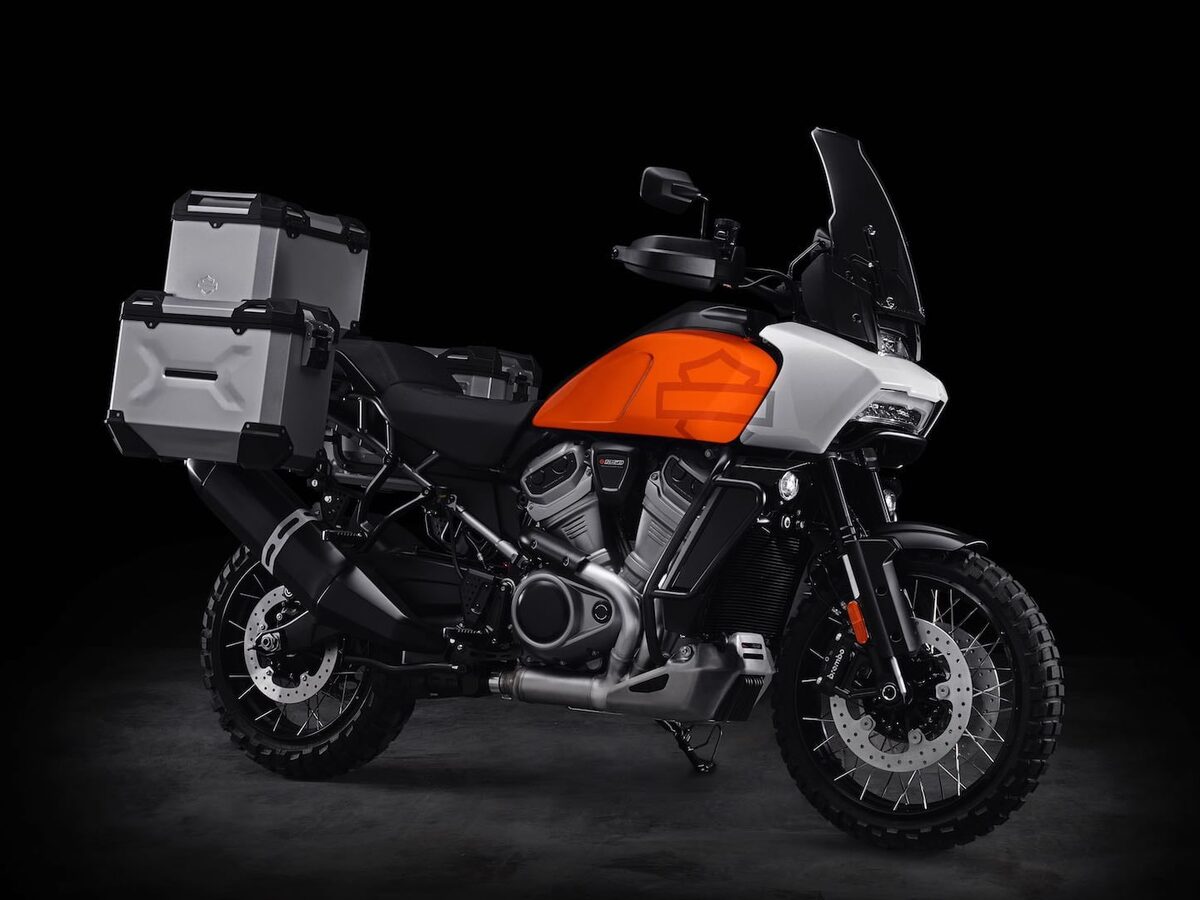
Revolution Max
“RevMax”2021–Present
Harley's modern liquid-cooled platform for the Pan America and Sportster S, with variable valve timing and hydraulic lash adjusters (no valve-clearance service). The engine internals are solid; early bikes had electrical and peripheral growing pains.
Valvetrain
DOHC, VVT, 60° V-twin
Cooling
Liquid-cooled
Displacement
975T (Nightster), 1250 & 1250T
Era
2021–Present
Common Problems
Sportster S upper triple clamp (safety recall)
CriticalA safety recall affects Sportster S models through 2025 for a fracture-prone upper triple clamp that must be replaced. Confirm the recall has been performed.
Charging / stator failure (2021–2023)
HighRotor magnets can debond, causing insufficient charging at idle. Harley released a redesigned charging system (upgrade kit) for 2024, which is the recommended long-term fix for earlier bikes.
Fuel pump failures (early bikes)
HighEarly fuel-pump modules could clog and fail from tank debris; a redesigned pump was issued via service bulletin.
Electrical / software gremlins (2021–2022)
ModerateBattery drain, spurious fault codes and cold-weather TFT display issues (subject to a recall) affected early units; most were resolved via firmware updates.
Pan America kickstand & seat-base recalls
ModerateEarly Pan America bikes had a kickstand bracket that could loosen (risking case damage) and a seat-base/grab-handle recall. Verify both were addressed.
Year-by-Year Notes
This guide summarizes commonly reported issues for reference only. Always consult a qualified Harley-Davidson technician and your service manual for diagnosis and repairs specific to your bike.